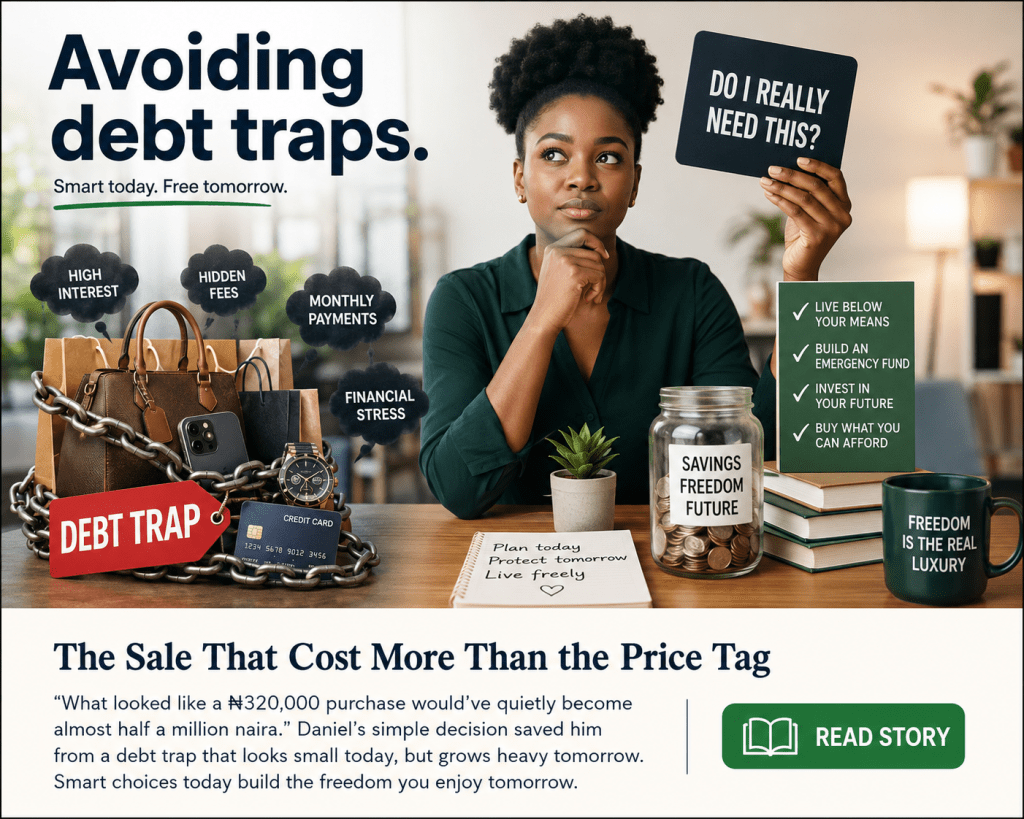
The Sale That Cost More Than the Price Tag
The conference room buzzed with excitement.
It was Friday afternoon, and the company had just announced annual bonuses.
People weren’t talking about savings.
They were talking about what they were going to buy.
“A new iPhone.”, “I’m finally getting that designer watch”, “I’m changing my car”, “I deserve it.”
At the far end of the room, Daniel quietly stirred his coffee.
He smiled but said nothing.
Across from him sat Zara, one of the brightest project managers in the company. Twenty-nine years old. Excellent salary. Recently promoted. Smart. Confident. The kind of person everyone assumed had life figured out.
She leaned over. “Daniel, what are you buying with your bonus?”
Daniel shrugged.
“I already spent mine.” Everyone laughed.
“The bonus was paid this morning!” Daniel grinned.
“I spent it three months ago.” Now everyone looked confused.
Three months earlier…
Daniel had walked into a furniture showroom.
He needed a dining table.
Not wanted.
Needed.
His old plastic table had cracked.
The salesman pointed to two options.
“The first one costs ₦180,000.”
“The second one is ₦320,000.”
Daniel nodded.
“I’ll take the ₦180,000 one.”
Then the salesman smiled.
“But sir…the premium one is only ₦18,000 per month.”
Only.
That dangerous word.
Only ₦18,000.
Daniel almost changed his mind.
Then he asked a strange question.
“What happens if I lose my job?”
The salesman blinked.
“Well…you’ll still need to continue paying.”
Daniel smiled politely.
“I’ll take the cheaper one.”
Back in the present…
Everyone around the coffee table looked disappointed.
“That’s it?”
Daniel shook his head.
“No.”
He pulled out his phone.
“Let me show you something.”
He opened his banking app.
“That premium table wasn’t ₦320,000.”
Everyone frowned.
“It literally says ₦320,000.”
Daniel smiled.
“No.”
He opened the financing agreement.
“The total repayment was ₦486,000.”
Silence.
“Wait…”
“What?”
“How?”
Daniel scrolled further.
“Processing fee.”
“Insurance.”
“Documentation fee.”
“Monthly interest.”
“Late payment penalty if you missed even one installment.”
“What looked like a ₦320,000 purchase would’ve quietly become almost half a million naira.”
The room became very quiet.
Zara laughed.
“Well…that’s furniture.”
“It doesn’t happen with normal shopping.”
Daniel didn’t argue.
Instead he asked,
“Can I tell you about Michael?”
Everyone nodded.
Michael worked in marketing.
Great salary.
Never missed work.
Always well dressed.
Always drove the latest SUV.
Everyone admired him.
Until one afternoon…
His company announced restructuring.
Nothing personal.
Just business.
Michael wasn’t fired.
His salary was reduced by 35%.
Within two months…
The SUV was gone.
The expensive apartment disappeared.
His designer gadgets were sold.
His credit cards were frozen.
People whispered,
“I thought he earned plenty.”
He did.
That wasn’t the problem.
His lifestyle belonged to his future income—not his current one.
Every salary increase had immediately become a new monthly payment.
New phone.
New TV.
New furniture.
Vacation financing.
Gym membership.
Streaming subscriptions.
Luxury clothing.
Car upgrade.
When income dropped…
The bills didn’t.
Debt doesn’t care about your promotion.
It only cares about your next payment date.
Daniel looked around the room.
“Most debt traps don’t begin with emergencies.”
“They begin with confidence.”
“I’ll earn more next year.”
“I’ll get another promotion.”
“My business will grow.”
“My bonus will cover it.”
Maybe.
Maybe not.
Debt built on future assumptions is like building a house on clouds.
Zara folded her arms.
“So are you saying debt is always bad?”
Daniel smiled.
“No.”
He picked up a marker and walked to the office whiteboard.
He drew two circles.
On the left he wrote:
Debt That Buys Income
On the right:
Debt That Buys Applause
Everyone stared.
“If borrowing helps you earn more money than it costs…”
“It can make sense.”
“If borrowing only helps strangers think you’re successful…”
You’re renting an image.
And image is one of the most expensive things anyone can finance.
A week later…
Zara almost bought a luxury handbag during a weekend sale.
The advertisement screamed:
BUY NOW. PAY SMALL SMALL.
She reached the checkout.
Then remembered Daniel’s question.
“What happens if I lose my job?”
She put the bag back.
Not because she couldn’t afford the first payment.
Because she wasn’t certain she could comfortably afford every payment.
Instead, she transferred the money into her savings account.
Six months later…
Her washing machine broke unexpectedly.
No panic.
No borrowing.
No desperate phone calls.
No credit card.
She paid cash.
Then something surprising happened.
She smiled.
Not because buying a washing machine was exciting.
But because freedom felt better than luxury.
A year passed.
Another bonus season arrived.
People once again discussed what they planned to buy.
This time, Zara spoke first.
“I’m buying peace.”
Everyone laughed.
“What does that even mean?”
She smiled.
“It means I owe nobody tomorrow for something I enjoyed yesterday.”
The room fell quiet.
Because everyone knew someone trapped by invisible payments.
Someone who looked wealthy but couldn’t sleep.
Someone earning well but constantly behind.
Someone buying today’s happiness with tomorrow’s paycheck.
That evening, Daniel received a message from Zara.
It contained just one sentence.
“The hardest debt trap to escape isn’t the loan… it’s the habit of believing every monthly payment is affordable simply because it’s small.”
Daniel smiled.
Because that was the lesson.
Debt rarely arrives wearing warning signs.
It arrives dressed as convenience.
As flexibility.
As “only a little each month.”
The safest financial decision isn’t asking, “Can I make this month’s payment?”
It’s asking, “If life changes tomorrow, will this payment still leave me free?”
Because the strongest balance sheet isn’t built by owning the most things.
It’s built by owing the fewest.

 investment4you
Leave a comment